 Before planning treatment for swallowing disorders, it is essential to perform a detailed evaluation of the patient. This assessment determines which treatment strategy is appropriate for each individual.
To understand the cause of the swallowing problem and to identify the suitable therapy methods, two main evaluation techniques can be used:
- Flexible Endoscopic Evaluation of Swallowing (FEES): Assessment using an endoscope to visualize swallowing
- Modified Barium Swallow Study (Videofluoroscopy): Radiological assessment of swallowing
Sometimes one method, the other, or both may be used for the same patient.
These assessments help determine which consistencies of food can or cannot be swallowed, and the effect of certain therapy techniques on swallowing can be evaluated. Based on these evaluations, a personalized therapy strategy is developed.
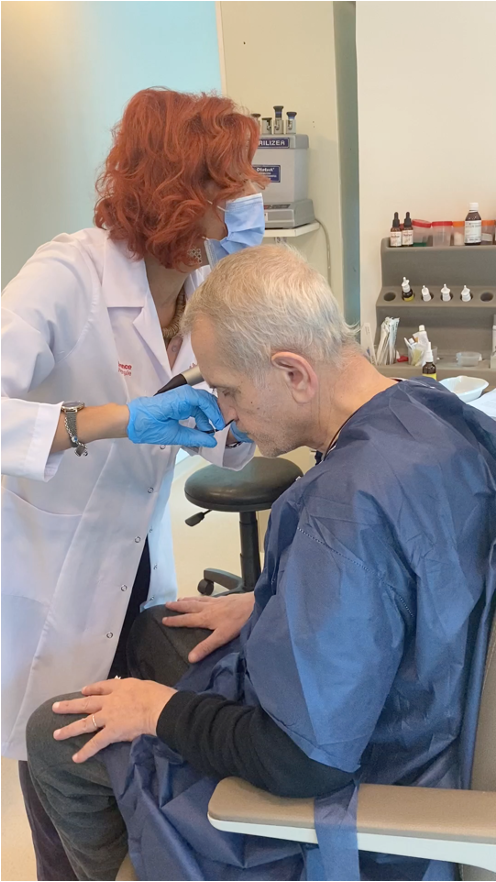 Key Principles of Swallowing Therapy
- Close collaboration between the physician and the speech-language therapist providing therapy is essential for patients with swallowing disorders.
Common Swallowing Therapy Approaches
- Diet Modification:
- Adjusting food content and consistency to ensure easier and safer swallowing for the patient
- Head and Neck Positioning & Strategies:
- Identifying positions and techniques that facilitate safer and more effective swallowing (e.g., sensory stimulation, electrical stimulation therapies)
- Swallowing Exercises:
- Tailored exercises targeting the oral, facial, tongue, tongue base, and pharyngeal muscles to strengthen the swallowing muscles according to the patient’s needs