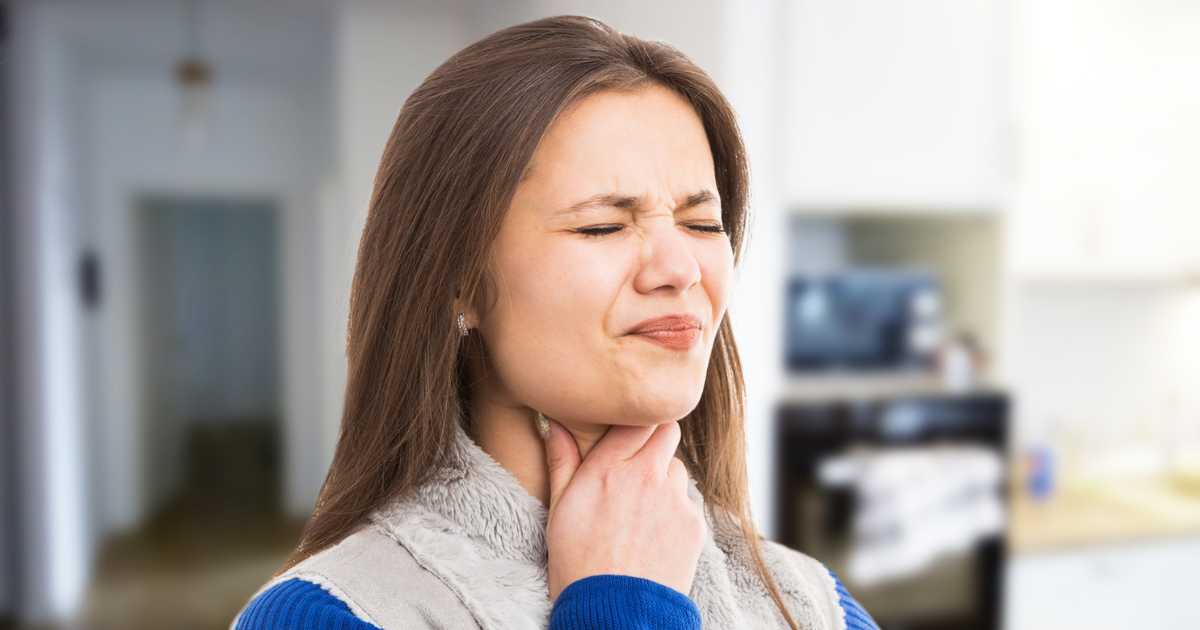
 Swallowing disorders (dysphagia) can arise from various conditions and diseases that prevent food and liquids from safely reaching the stomach. The main causes are:
1. Neurological Disorders
Neurological conditions can directly affect the swallowing process due to damage in the brain, spinal cord, or nerves. In these cases, the swallowing reflex may be impaired, making it difficult for food and liquids to safely pass into the stomach. Common neurological causes include:
- Stroke (Cerebral Infarction)
- Occurs when blood flow to the brain regions controlling swallowing is interrupted
- Food or liquids may get stuck in the throat or enter the windpipe
- Post-stroke dysphagia is particularly common in the first few weeks
- Parkinson’s Disease
- Dopamine deficiency impairs muscle control and coordination
- The swallowing reflex slows, making it harder for food and liquids to pass from the mouth to the stomach
- Alzheimer’s Disease and Other Dementias
- Memory and cognitive impairments affect swallowing behavior
- Patients may sometimes forget to chew or swallow
- ALS (Amyotrophic Lateral Sclerosis)
- Nerves controlling the muscles are affected
- Swallowing muscles are weakened, increasing the risk of food entering the airway
- Multiple Sclerosis (MS)
- Damage to the myelin sheath surrounding nerves impairs the swallowing reflex
- Delays or blockages may occur during swallowing
- Other Neurological Conditions
- Brain tumors, head trauma, certain types of epilepsy, or nerve palsies may also cause dysphagia
2. Muscle Disorders
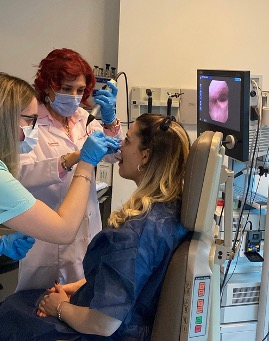
- Conditions such as myasthenia gravis
- Weakness or coordination problems in the swallowing muscles
3. Structural Problems and Head & Neck Disorders
Structural issues and head or neck conditions that can cause swallowing disorders may include congenital abnormalities, trauma, or changes following surgery:
- Strictures or obstructions: Narrowing in the esophagus, pharynx, or larynx can hinder the passage of food and liquids. These may be congenital or result from scar tissue or chronic inflammation.
- Tumors or polyps: Benign or malignant growths in the head, neck, or esophagus can block the swallowing pathway, causing pain or a sensation of food sticking.
- Reflux-related injuries: Stomach acid refluxing into the esophagus can irritate tissues and create sores, making swallowing difficult.
- Post-surgical changes: Surgeries involving the thyroid, larynx, tongue, or jaw can result in tissue stiffening or adhesions, affecting swallowing.
- Post-radiotherapy tissue effects: Radiation treatment to the head or neck may cause tissue stiffening, swelling, or changes in the mucosa, leading to discomfort or difficulty swallowing.
- Other structural issues: Congenital anomalies or abnormal anatomy of the esophagus or laryngeal muscles can also impair swallowing
4. Aging
- Reduced muscle strength and slower swallowing reflexes in older age
5. Oral and Dental Problems
- Tooth loss or difficulty chewing
- Dry mouth
Important Note:
The cause of a swallowing disorder can vary from person to person. Accurate diagnosis and treatment require evaluation by an ENT specialist, and when necessary, in collaboration with a swallowing therapist.